How a Multi-Office Services Business Automated Lead Routing and Follow-Up
Problem
A services business with offices across several locations received customer enquiries from multiple channels. A coordinator had to work out which local office covered each customer's area, check who was rostered on that day, and hand the lead to a salesperson — who was then relied on to remember when to call back. Leads stalled when the coordinator was busy, the split between staff was uneven, and follow-up depended on memory rather than a process.
What tPanel built
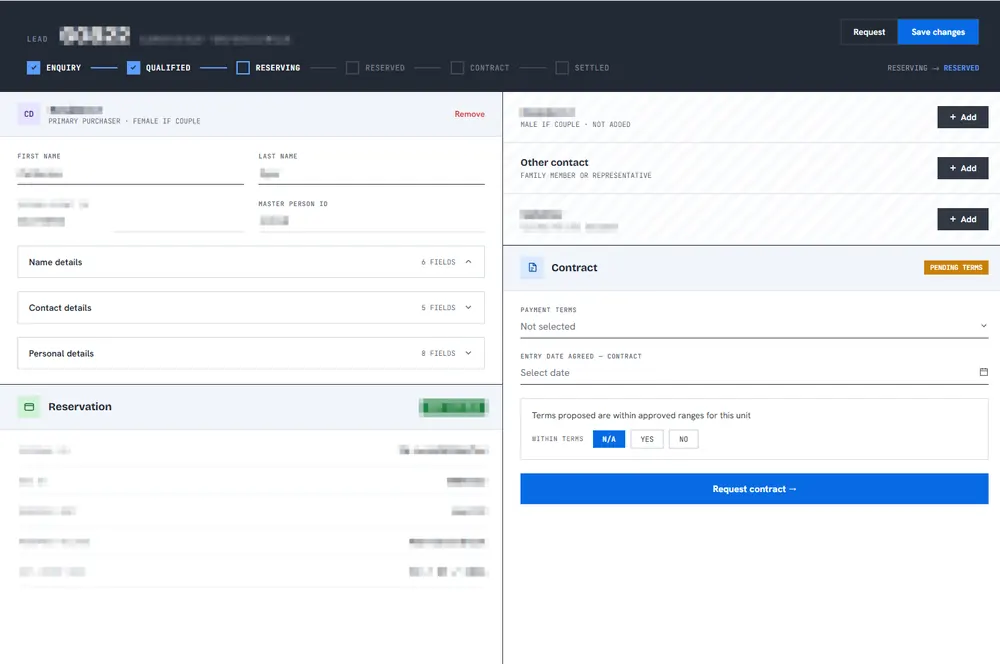
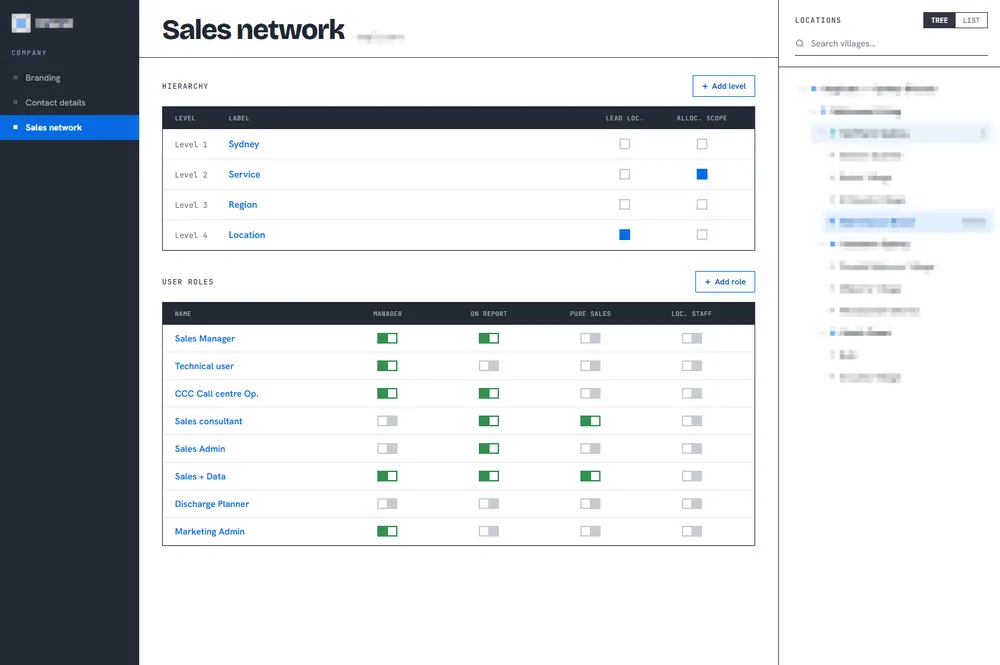
tPanel built a custom lead routing, tracking and CRM system. When an enquiry arrives, it is routed to the office covering the customer's location, anyone not rostered on that day is removed, and it is assigned to a salesperson by a fair-allocation rule so leads are shared evenly. The assigned salesperson gets an SMS, and a companion mobile app lets them call the customer and update the lead on the spot. A fixed follow-up cadence prompts them when the first call is due, then reminds them to follow up based on the last conversation. Every update is stored in the custom CRM and synced to the client's main CRM, such as HubSpot or Salesforce.
Result
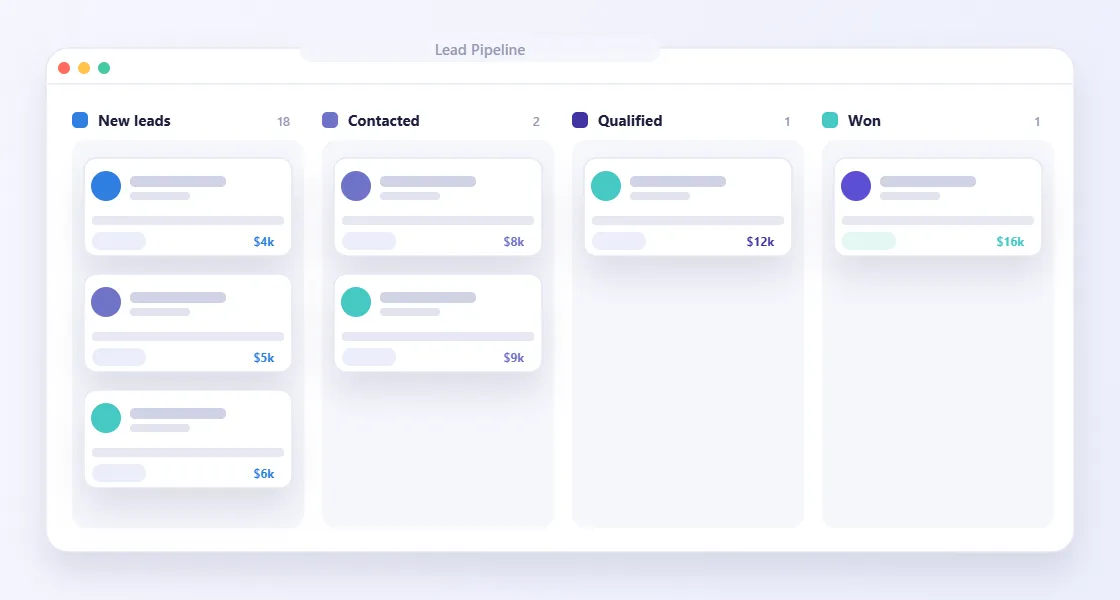
The allocation rules replace the coordinator’s routine assignment steps. Salespeople can see their assigned enquiries and next tasks on the phone, while the existing CRM remains the main customer record. Managers can review who owns each lead and what activity has been recorded.
Routing, rostering and follow-up run as rules — not as someone’s memory.